

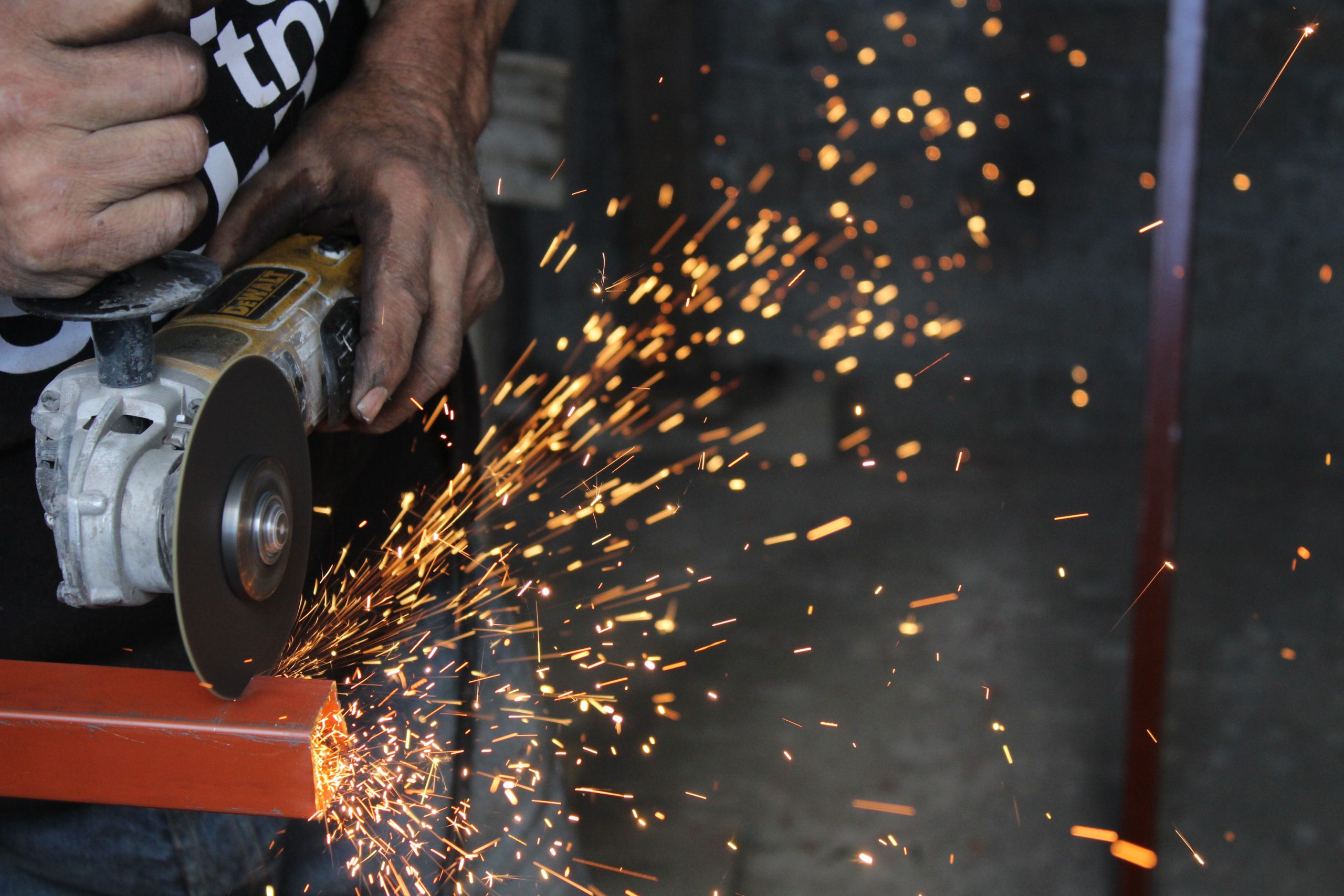
Hand-Arm Vibration Testing: Why It Matters for Employers
If your workforce uses power tools, breakers, grinders or heavy machinery, hand-arm vibration is a risk you can’t afford to overlook. Over time, regular exposure can cause permanent nerve, blood vessel and joint damage in the hands and arms. The condition is known as Hand-Arm Vibration Syndrome (HAVS), and it is entirely preventable when it’s caught early.
At Meridian Health Group, we support employers across Swansea, Carmarthen, Llanelli and the wider South West Wales area with HAVS health surveillance and testing. Here’s what you need to know.
What is Hand-Arm Vibration Syndrome?
HAVS is a condition caused by prolonged or repeated use of vibrating hand-held or hand-guided tools and equipment. The vibration travels from the tool into the hands and arms and, over months or years, damages the nerves, blood circulation and soft tissues.
It’s sometimes called “vibration white finger” because one of its hallmark signs is fingers turning white and numb. But HAVS covers a wider range of problems than that name suggests.
Common symptoms of HAVS
Symptoms usually develop gradually, which is why many workers dismiss them as “just part of the job”. Watch for:
- Tingling or “pins and needles” in the fingers, particularly after using vibrating tools
- Numbness or reduced sensation in the fingers or hands
- Fingers turning white (blanching), then red and painful as the blood flow returns, often triggered by cold or damp conditions
- Loss of grip strength, such as dropping tools or struggling to hold a cup
- Reduced dexterity, such as difficulty with buttons, zips, small screws or picking up coins
- Pain, aching or cold sensitivity in the hands and fingers
- Disturbed sleep because of tingling or pain in the hands
HAVS affects two systems in the body. The vascular effects involve blood circulation, causing the white finger episodes. The sensorineural effects involve the nerves, causing numbness, tingling and loss of feeling. Many workers experience both. Unfortunately, once the damage becomes advanced it is often irreversible, and in serious cases it can end a person’s ability to carry out their trade.
Why does HAVS testing need to be done?
It’s a legal duty
Under the Control of Vibration at Work Regulations 2005, employers must assess and manage the risk of vibration exposure. There are two key thresholds, measured as a daily exposure over an eight-hour working day:
- The Exposure Action Value (EAV) of 2.5 m/s². At this level, employers must act to reduce exposure and provide health surveillance.
- The Exposure Limit Value (ELV) of 5 m/s². This is the maximum a worker should be exposed to in a day, and it must not be exceeded.
Health surveillance is required for workers who are regularly exposed above the EAV, and for those who are at risk for other reasons, such as already having a diagnosis of HAVS. A diagnosed case of HAVS may also be reportable under RIDDOR.
Early detection protects your people
The most important point is that early identification makes a real difference. If HAVS is spotted at an early stage, changes to a worker’s duties, tools or working methods can stop it getting worse. Left unchecked, it can progress to permanent disability.
It protects your business too
Regular health surveillance helps you to:
- Demonstrate compliance if the HSE comes calling
- Reduce the risk of compensation claims
- Avoid the loss of skilled staff to long-term sickness
- Identify tools and tasks that carry the highest risk, so you can make targeted improvements
What does HAVS testing involve?
HSE guidance recommends a tiered approach to health surveillance:
- Screening questionnaire: a simple initial check to identify any symptoms, usually completed before someone starts work with vibrating tools.
- Short health assessment: a brief annual review by a suitably trained occupational health professional.
- Detailed assessment: if symptoms are suggested, a more detailed assessment of the hands and arms, which may include tests of sensation, grip and circulation.
- Diagnosis and fitness for work: where HAVS is confirmed, a doctor will confirm the diagnosis, grade its severity and advise on whether the worker can continue to use vibrating tools safely.
The process is quick, non-invasive and can often be carried out at your workplace or at a local clinic, minimising disruption to your operations.
Examples: who is at risk, and from which tools?
HAVS isn’t limited to one sector. In South West Wales, we typically see risk across:
- Construction and civil engineering: pneumatic breakers, jackhammers, rotary hammer drills, cut-off saws and plate compactors. Think of a groundworker breaking out a concrete slab for several hours a day on a Llanelli building site.
- Highways and utilities: road breakers, vibrating pokers and compaction equipment used by teams carrying out roadworks and repairs.
- Forestry, agriculture and groundscare: chainsaws, strimmers, brush cutters and hedge trimmers. For example, a groundskeeper in Carmarthenshire spending most of the working week with a brush cutter.
- Manufacturing, steel and engineering: angle grinders, needle guns, sanders, riveting tools and impact wrenches. A fabricator who grinds welds for much of their shift is a classic example.
- Vehicle repair and maintenance: impact wrenches, grinders and air tools used by mechanics and fleet maintenance teams.
- Stonemasonry and quarrying: hammer and chisel work, pneumatic tools and stone-cutting equipment.
Even tools that feel fairly light can add up. A worker who uses a grinder for a couple of hours a day, every day, may be exposed to more vibration than they realise. Because it’s cumulative, that exposure is easy to underestimate.
Practical steps for employers
Alongside health surveillance, you can reduce risk by:
- Carrying out a vibration risk assessment of your tools and tasks
- Choosing low-vibration tools and keeping them well maintained
- Limiting trigger times and rotating tasks between workers
- Keeping workers warm and dry, since cold makes symptoms worse
- Encouraging staff to report symptoms early, with no stigma attached
HAVS testing across Swansea, Carmarthen, Llanelli and beyond
Meridian Health Group provides occupational health services to businesses throughout Swansea, Carmarthen, Llanelli and the surrounding areas, including Neath, Port Talbot, Ammanford, Gower and Pembrokeshire. Whether you’re a small contractor or a large employer, we can help you meet your legal responsibilities and look after your team.
Worried about vibration exposure in your workplace? Get in touch with Meridian Health Group today to arrange HAVS health surveillance for your employees.